The Art & Science of website design
The Art & Science of website design
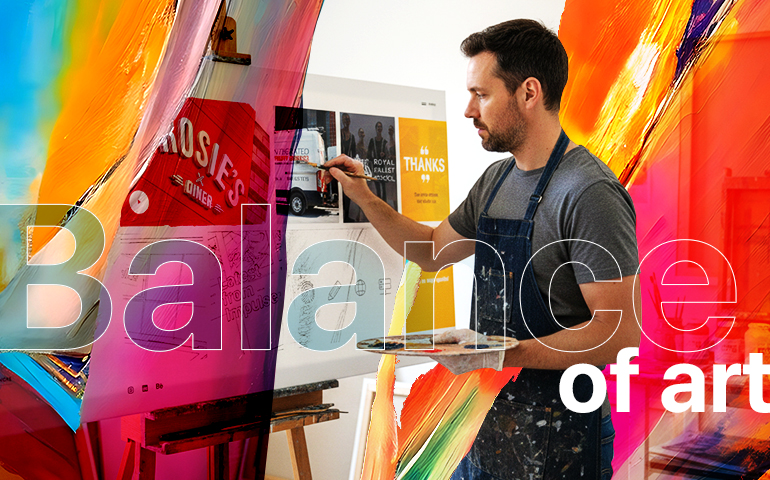
The balance of art and science in website design
Great website design is a blend of art and science, using both technical skill to ensure a smooth-running website and creative skill to make the website appealing to customers. This combination requires creativity, technical proficiency and a deep understanding of user behaviour in order to create a successful website. In this blog, we delve into the artistry and scientific precision that make website designers the architects of the digital realm.
The art of website design
Website designers use a toolkit of visual elements to construct not just web pages, but exceptional online experiences. Aesthetic choices, from colour schemes to typography, are carefully calculated to both convey brand identity and resonate with customers. With an emphasis on user-friendly design, the artistry is not only in creating visually appealing pages but also in guiding users through an intuitive and engaging journey on the page. This delicate balance between form and function transforms websites. They become digital canvases that tell the brand story and captivate the online audience.
Visual aesthetics
Website designers are digital artists using a palette of colours, fonts and images to create visually stunning websites. By carefully crafting the visuals of the website it sets the tone for the brand and influences user perception. Clear communication with the customer is essential here, so that the website designer fully understands the brand identity and can then bring it to life in the look and style of the website.
User experience (UX) design
Crafting a seamless and enjoyable user journey is an art in itself. Designers must empathise with users, anticipating their needs and preferences and understanding their journey through the site. Intuitive navigation, clear calls to action and thoughtful information architecture all make for a positive user experience and the website designer is the one that knows best how to craft these. A successful UX design not only simplifies complex interactions for customers but also creates an emotional connection with users, so they end up with a sense of satisfaction and loyalty to the brand.
Branding and storytelling
Websites are often the first point of contact between a brand and their audience. Designers weave the brand narrative into all the visual elements of the site, making a memorable brand experience for the customer. Through imagery, colour schemes and layout, designers create a strong brand identity that’s uniform across the entire site. By employing a consistent visual language, website designers create a memorable and distinctive brand persona that users will remember and start to create a connection with.
Responsive design
With customers using a wide range of devices to access the website, designers have to create sites that adapt seamlessly to different screen sizes. The art lies in maintaining visual appeal and functionality across desktops, tablets and smartphones. Website designers craft the look of their sites to work perfectly across all these platforms.

The Science of website design
Website designers use their technical skills to bring all of these creative elements to life. As digital engineers, designers navigate complex programming languages and cutting-edge technologies to breathe life into their creative visions. They ensure seamless functionality, speed, accessibility and compatibility across diverse devices to make sure the creative elements of the website work perfectly for all visitors.
Coding and technology
At the core of website design is the science of coding. Designers must be proficient in languages like HTML, CSS and JavaScript to bring their visual concepts to life. They must stay ahead of technological advancements to make sure their designs are compatible with the latest browsers and devices.
Performance optimisation
Load times and website performance are critical factors in user satisfaction; no matter how good your site looks, if it doesn’t load in time then your customers won’t be hanging around to see it. Website designers understand the science of optimising images, minimising code and using caching techniques to keep pages loading quickly. This requires a meticulous understanding of the technical aspects of web development.
User interface (UI) design
While UX focuses on the overall user experience, UI design involves the scientific arrangement of interface elements. Designers have to think about user interactions, making sure that buttons, forms and other elements not only look great but also function intuitively. They need a deep understanding of the customer journey and how they navigate to make sure the site is laid out in a way that makes sense to them and is simple for them to use.
Accessibility
The science of inclusive design ensures that websites are accessible to users of all abilities. Designers must conform to accessibility standards, making web content perceivable, operable and understandable for people with disabilities.
Bring art and science to your website design
The art and science of website design come together to create digital landscapes that captivate and engage users while meeting high technical standards. Transform your brand narrative with Impulse Branding and create a lasting connection with your audience. From captivating visuals to compelling storytelling, we specialise in crafting superb websites that resonate with users. Get in touch with Impulse Branding and let’s create a website with a lasting impact.